Marine Safety
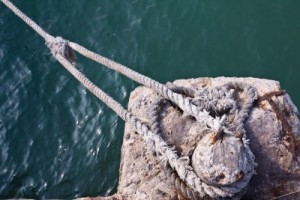
How to Tie your Boat up Safely
It is important for you to utilize the proper stainless steel cleats while tying up your boat so that you can be assured that the boat will be safe until the next time you head out to sea. If you need stainless steel cleats for your boat, we suggest you try Kesteloo at: www.stainlesssteelfittings.co.nz
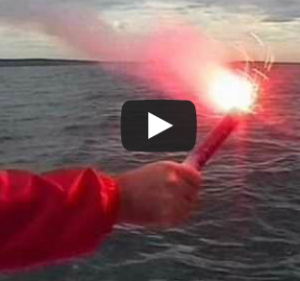
Marine Safety – radios, flares, phones & signals
There are many recognized distress signals you can use when you need assistance at sea. This video from Maritime NZ shows you what to use and how to use it.
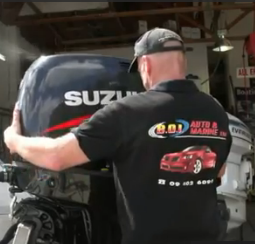
Boat maintenance tips before you go boating.
This is a great video from Maritime NZ that shows some of the basic boat maintenance checks that you should be doing before going out on the water this Summer.
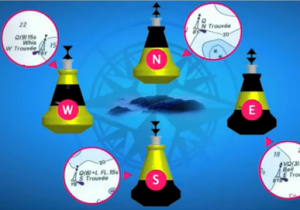
Online Boating Course For New Zealand
This is a demonstration from Powerboat Training New Zealand’s next generation of boating courses, which is fully interactive and able to be completed online. If you don’t have time to sit in the classroom, this is a great way to get an internationally recognised qualification.
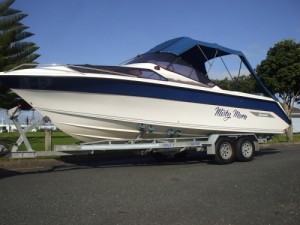
Trailer boat tips for safe towing
Towing your trailer boat, whether taking it on holiday or going to the local boat ramp, is something all boaties should take seriously. You may think it will never happen to you but seeing a boat going for a sail on it’s own down the road after coming adrift from your tow bar is not a pretty sight!
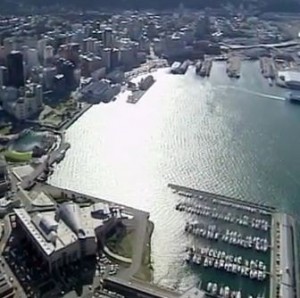
Boat safety in the Wellington Region
Wellington is New Zealand’s capital city. A center of government, art and culture. And a destination for travelers catching the ferry to the South Island. It also a base for many water-based recreational activities.
These activities are governed by the same maritime rules as the rest of New Zealand. There also subject to control by the Wellington region navigation and safety bylaws.
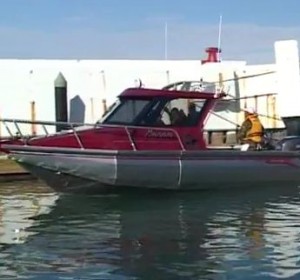
Boating in Hawkes Bay
Hawkes Bay is renowned for its vineyards, orchards and diversity of country, offering many recreational boating opportunities and experiences to visitors and locals alike.
The Hawkes Bay regional council administers the inland waterways and coastal region.
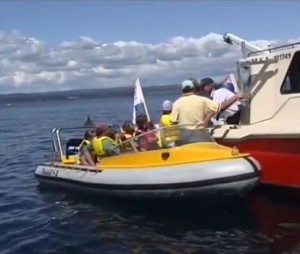
Marine safety in Lake Taupo Region
During the summer months the number of lake users rises considerably, meaning new-comers don’t have local knowledge or are ill-prepared for the changes on the lake when sudden changes occur. Even those with Lake experience are often caught out by the size of the waves, which can become dangerous within minutes.
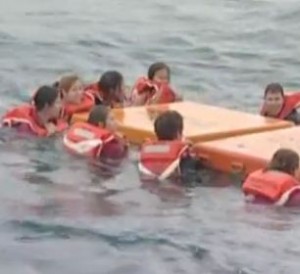
What to do in a boating emergency
The list of things that can go wrong on a boat trip is endless but you can be prepared by having an action plan to help you cope with the most likely problems.
By thinking through the actions you can take and having them in the right order, you greatly increase your chance of coming home safely. In any unexpected situation the first natural reaction is to panic, which just makes things worse.
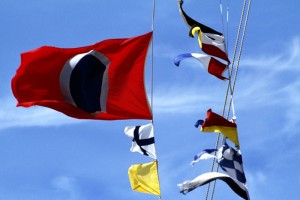
International Code of Signals – Flags
The International Code of Signals (ICS) is a system by which vessels are able to communicate effectively about safety or navigation. Signals can be sent by flaghoist, signal lamp (“blinker”), flag semaphore, radiotelegraphy, and radiotelephony.
